
Usama Imtiaz
When a Kashmiri is branded a terrorist simply for being Kashmiri, it reveals a disturbing reality: a people living under occupation can also be made to feel like outsiders wherever they go.
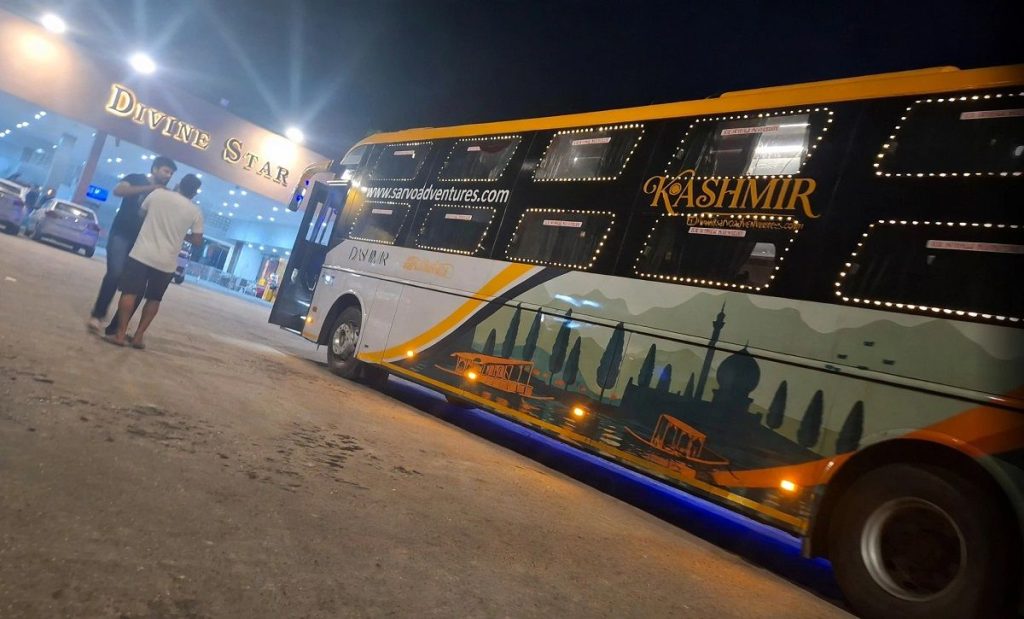
The attack on a Kashmir-bound bus in Haryana exposes the prejudice and hostility Kashmiris can face beyond their homeland, where their identity can become a reason for humiliation, intimidation and violence.
The driver’s account that he was called a terrorist is particularly revealing. Such language does more than insult an individual. It reflects a deeply troubling tendency to associate Kashmiris collectively with terrorism, stripping ordinary people of their individuality and treating them as inherently suspicious.
A Kashmiri travelling home should not have to fear being treated like an enemy.
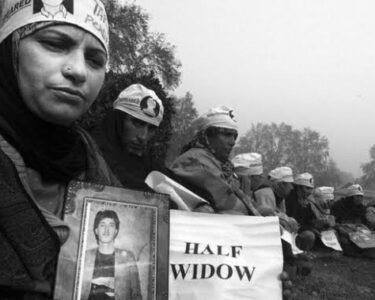
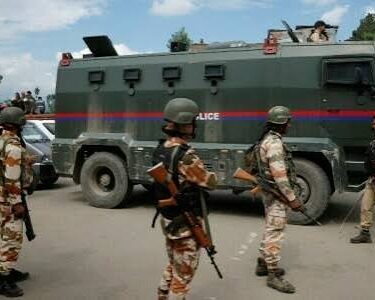
India’s occupation of Jammu and Kashmir is central to understanding the political realities faced by the Kashmiri people. For decades, Kashmiris have struggled for their right to self-determination while living under Indian rule. Their demand to determine their own political future remains inseparable from the broader questions of freedom, dignity and fundamental human rights.
Yet the consequences of this political reality are not confined to Kashmir.
Kashmiris travelling, studying or working elsewhere in India can face suspicion and hostility because of where they come from. The branding of Kashmiris as terrorists reinforces a degrading hierarchy in which their identity becomes grounds for mistrust and their rights seem conditional on proving their loyalty.
Kashmiris are not second-class people, nor should they be expected to live as permanent suspects in their own homeland or beyond it.
This prejudice also exists within the wider context of anti-Muslim hatred in India. India Hate Lab documented 1,318 in-person hate-speech events targeting religious minorities in 2025, overwhelmingly directed at Muslims, either alone or alongside Christians. These findings underline the seriousness of hostility towards minorities and the dangers of narratives that portray them as threats.
Anti-Kashmiri prejudice and anti-Muslim hatred are not identical, but they can reinforce each other when regional identity, religion and political suspicion become intertwined. For Kashmiri Muslims, these overlapping prejudices can make everyday activities, from travelling to pursuing an education or earning a living, sources of anxiety and vulnerability.
The response must go beyond condemnation.
Given the serious concerns surrounding accountability in cases involving Kashmiris, independent international human rights organisations should document the incident, examine the allegations of identity-based hostility and press for a credible, transparent investigation. The victims deserve to be heard, the allegations deserve proper scrutiny, and those responsible must be held accountable on the basis of evidence.
The fundamental issue is not simply whether a bus was attacked, but why Kashmiris can be singled out and branded terrorists because of their identity.
A people living under occupation must not also be subjected to humiliation, collective suspicion and discrimination wherever they go. Their rights to dignity, equality and self-determination deserve recognition, and the international community must not remain indifferent when those rights are threatened.