
By. Dr. MAC Munir Ahmad Chaudhry
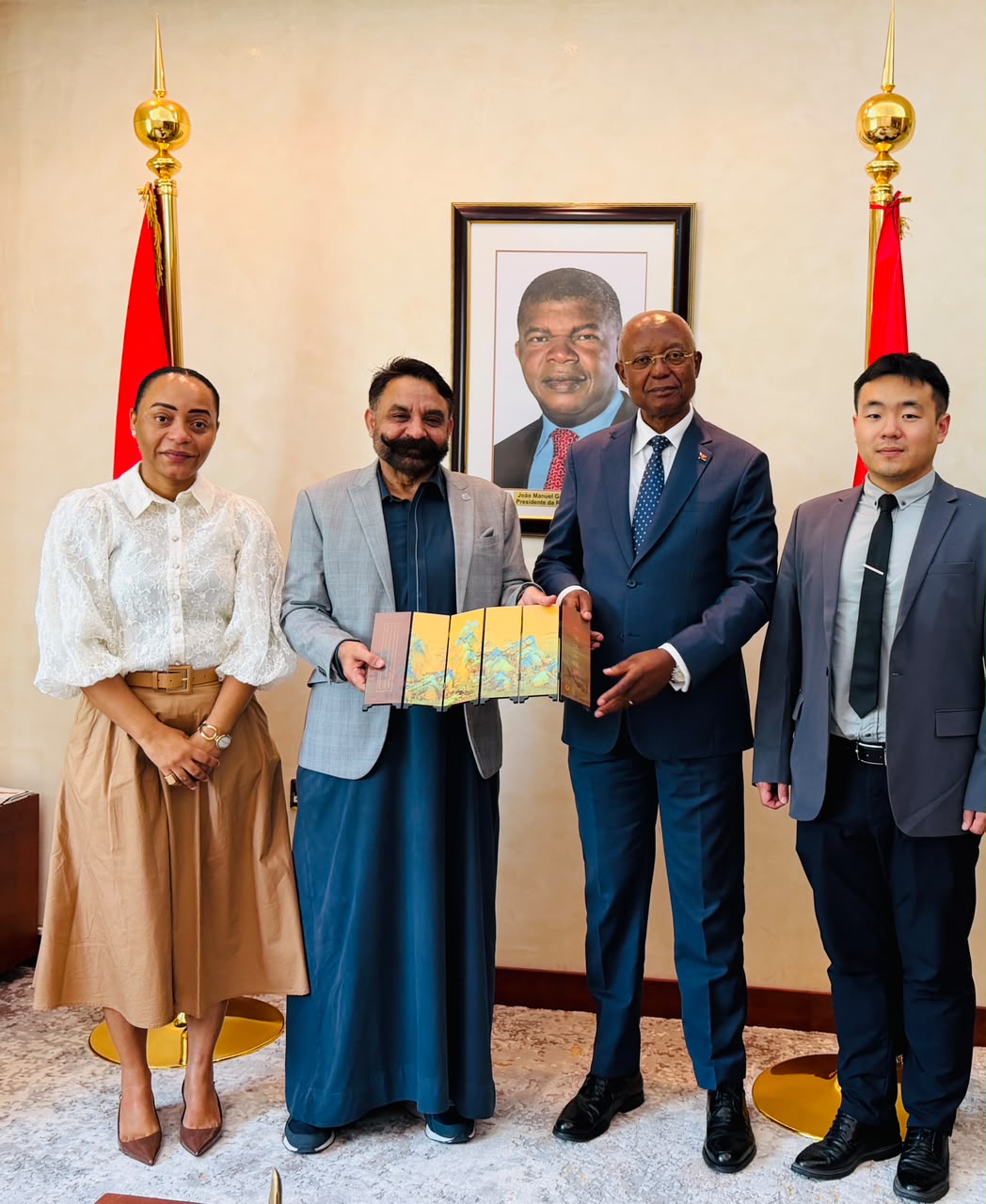
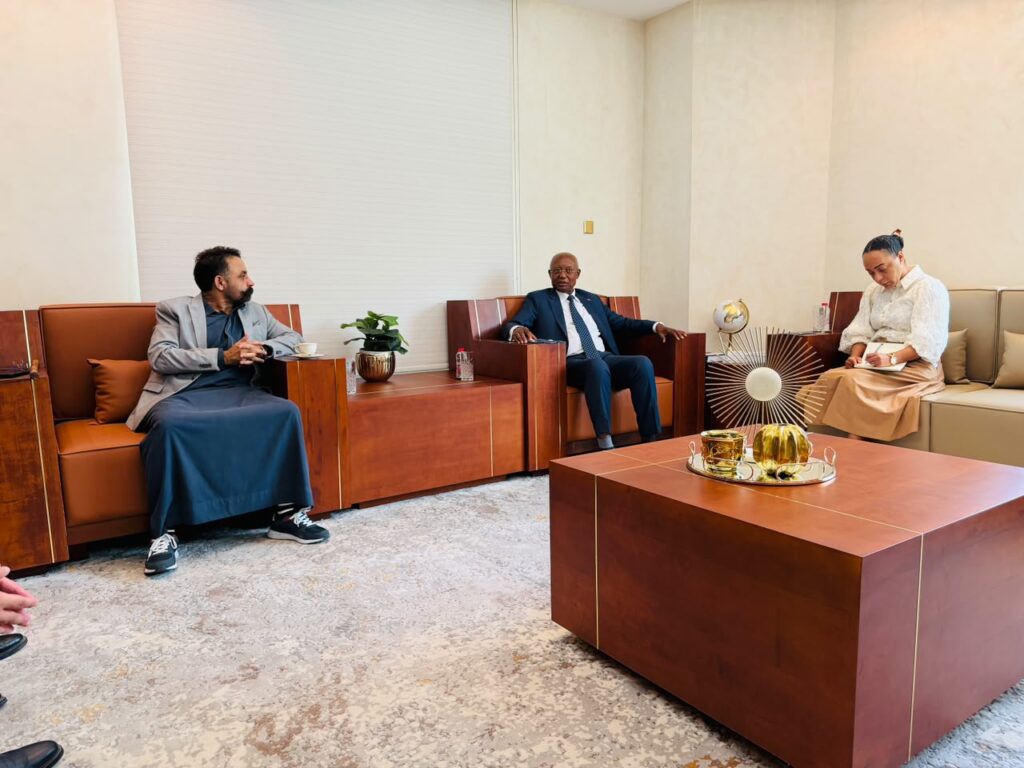
It was a distinct pleasure to meet His Excellency Ambassador Mr. Júlio Belarmino Gomes Maiato of the Embassy of the Republic of Angola for a meaningful and highly productive discussion on the future of business collaboration in Africa.
Our conversation focused on OBS – One Business Season, the automotive sector, investment facilitation, entrepreneurship, industrial development and the importance of building long-term partnerships that create measurable economic and social value.
Africa is not simply a continent of future potential. It is a continent of present opportunity.
With its growing population, expanding cities, increasing consumer demand, abundant natural resources and rapidly developing business environment, Africa is becoming one of the most important regions for global investors, manufacturers, innovators and entrepreneurs.
Angola, in particular, holds a significant position in this transformation. Its strategic location, natural resources, youthful population and expanding economic ambitions provide a strong foundation for industrial growth, trade development and international partnership.
“The future of Africa will not be built through observation alone. It will be built through investment, industrial cooperation, knowledge exchange and courageous partnerships.”
The meeting with His Excellency reflected a shared understanding that sustainable business development requires more than commercial transactions. It requires trust between institutions, governments, business leaders, investors and local communities.
True partnerships must create value on both sides.They must generate employment, build local capability, transfer knowledge, introduce technology and strengthen national industries. They must also support young entrepreneurs and create platforms through which African businesses can access global markets, capital and expertise.
OBS – One Business Season as a Platform for Opportunity
OBS – One Business Season is envisioned as more than a conventional business event. It is a strategic platform designed to bring together decision-makers, diplomats, investors, manufacturers, entrepreneurs and industry experts.
Its purpose is to convert dialogue into cooperation and cooperation into practical business outcomes.
The platform can play an important role in connecting Angola and other African markets with international companies seeking responsible and sustainable expansion.
Through focused business sessions, investment discussions, sector-specific meetings and partnership development, OBS can help participants identify opportunities, understand local market requirements and build relationships with credible stakeholders.
“Business platforms must do more than fill conference halls. They must open markets, connect serious partners and produce opportunities that continue long after the event has ended.”
Africa needs business platforms that are action-oriented.
Companies entering African markets must be prepared to understand local realities, respect national priorities and invest in long-term capacity. Likewise, African businesses must be supported in improving governance, quality, technology, financial readiness and international competitiveness.
OBS can become a bridge between these two sides.It can help international investors understand where opportunities exist while enabling African entrepreneurs and institutions to present credible, investment-ready projects.
Automotive Growth in Africa
The automotive industry was an important part of our discussion because mobility is closely connected to economic development.
Every growing economy requires reliable transportation. Businesses need commercial vehicles. Families require affordable mobility. Farmers need transport to move products. Governments need public-service fleets. Construction companies require heavy vehicles and equipment. Logistics providers need trucks, vans and delivery solutions.
As African cities grow and regional trade increases, the demand for vehicles, spare parts, repair services, financing, fleet management, assembly operations and automotive technology will continue to expand.
However, Africa should not remain only a market for imported vehicles.The greater opportunity lies in developing local automotive ecosystems.
This includes vehicle assembly, component manufacturing, spare-parts distribution, technician training, maintenance networks, recycling, electric mobility, fleet solutions and automotive financing.
“Africa must move from being viewed only as a destination for products to becoming a centre for production, assembly, innovation and regional distribution.”
For Angola, the development of a stronger automotive sector could support employment, technical education, logistics, industrial diversification and small-business growth.
Automotive development also creates opportunities for supporting industries, including insurance, banking, technology, warehousing, transportation, energy and professional services.
The sector should therefore be viewed as an economic ecosystem rather than a simple vehicle market.
From Trade to Industrial Partnership
The relationship between international businesses and African markets must evolve from short-term trade toward long-term industrial partnership.
Selling products into a market may create temporary commercial value, but building local infrastructure, training people and establishing operations creates lasting national value.
This approach is especially important in Angola and across Africa, where governments are increasingly focused on economic diversification, employment creation and industrial capacity.
International companies that enter the region with a partnership mindset will be better positioned to earn trust and establish sustainable operations.
They should consider local assembly, workforce development, supplier partnerships and cooperation with universities, technical institutes and government agencies.
“The strongest investment is not the one that extracts the fastest return. It is the one that leaves behind skills, jobs, institutions and a stronger economy.”
This philosophy should guide the next generation of business engagement in Africa.Profitability and social impact should not be treated as competing objectives. When partnerships are structured responsibly, they can reinforce one another.
A successful business creates employment, pays taxes, develops suppliers, introduces innovation and improves services. A successful economy, in turn, provides stability, talent, infrastructure and market growth for businesses.
Diplomacy and Business Development
Diplomatic institutions play an essential role in strengthening commercial relationships.
Embassies can help businesses understand national priorities, identify credible institutions, navigate regulatory environments and build connections with relevant stakeholders.
Business leaders should therefore engage with diplomatic missions not only during formal ceremonies but as strategic partners in trade and investment development.
The meeting with His Excellency Ambassador Mr. Júlio Belarmino Gomes Maiato demonstrated the importance of constructive dialogue between diplomacy and the private sector.
Such engagements can help turn broad ambitions into practical initiatives.
They can support investment missions, business delegations, industry forums, entrepreneurship programmes and direct cooperation between companies in different countries.
“Diplomacy opens doors, but responsible business partnerships must walk through those doors with vision, integrity and commitment.”
The next step must be continued engagement.Meetings are valuable, but follow-through is what creates impact.Stakeholders should identify priority sectors, define potential projects, establish working groups and create timelines for implementation. Progress should be measured through concrete outcomes such as partnerships signed, projects launched, jobs created and investments facilitated.
A New Business Narrative for Africa
Africa’s global business narrative must continue to change.
The continent should not be discussed only in terms of challenges. Its achievements, talent, entrepreneurship, resources and innovation must receive equal recognition.
African entrepreneurs are building companies in technology, logistics, agriculture, finance, mobility, energy and manufacturing. Governments are investing in infrastructure and diversification. Young people are creating solutions for local and global markets.
The international business community must recognise this momentum and engage with Africa as an equal partner.
“Africa does not need sympathy-driven business. It needs respect-driven investment, opportunity-driven partnerships and leadership driven by results.”
Angola can become an important part of this new narrative.
By strengthening international cooperation, supporting private-sector growth and developing industries such as automotive, logistics, manufacturing and technology, the country can expand its role as a regional business destination.
Leadership, Vision and Action
As Chief Business Saviors, I believe business leadership must be measured by the opportunities it creates for others.A leader’s responsibility extends beyond personal achievement. It includes building platforms, connecting people, supporting entrepreneurs and creating pathways for investment and development.
OBS – One Business Season reflects this commitment.It seeks to bring serious stakeholders together and encourage conversations that result in meaningful cooperation. It aims to promote responsible investment, facilitate international partnerships and highlight Africa’s growing role in the global economy.
The productive meeting with His Excellency Ambassador Mr. Júlio Belarmino Gomes Maiato represents an encouraging step in this direction.
I deeply appreciate the exchange of ideas and the shared interest in advancing cooperation relating to Angola, OBS and the African automotive sector.
The road ahead requires vision, consistency and collective effort.
But the opportunity is clear.
Africa is rising as a global business and investment destination, and those who engage with integrity, patience and strategic commitment will have the opportunity to participate in one of the most important economic transformations of our time.
“The next chapter of Africa’s growth will be written by those who are willing to build—not merely those who are willing to sell.”
Let us build industries.
Let us build partnerships.
Let us build opportunities.
And above all, let us build a future in which business success contributes directly to economic progress, human development and shared prosperity across Angola and the African continent.