
Altaf Hussain Wani
The reports coming out of Kulgam and Kishtwar in November 2026 call for more than another official statement about “security.” They call for an independent investigation, public accountability and immediate steps to protect civilians.
Local accounts cited by rights advocates allege that whole communities were punished after individual security incidents, that detainees were tortured, and that a man was killed after being taken into custody. These are serious claims. They should not be brushed aside because they implicate state forces—but they should not be treated as proven without credible evidence, either. The way to resolve them is to allow scrutiny, not shut it down.
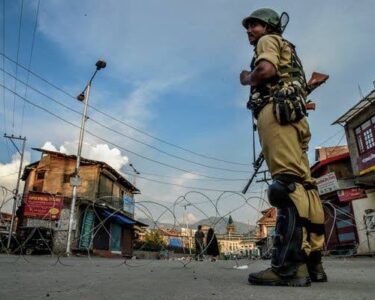
In Kulgam, the reported trigger was an attack on a CRPF vehicle on 11 November. According to local accounts, what followed was an eight-day operation involving the Army, CRPF and Special Operations Group. Cordon-and-search operations allegedly restricted entire neighbourhoods, making it difficult for residents to obtain food, water, medicine and emergency care. Residents also described women, children and older people being made to stand outside in freezing weather during house searches.
This would mean people were made to suffer for acts they had not individually committed. Collective punishment is prohibited under international humanitarian law. Security concerns cannot be used as a blanket excuse to deprive civilians of necessities or subject them to fear and hardship.
The allegations of mass detention are just as troubling. The accounts cited in the original draft say nearly 700 people, mostly young men, were detained, and that about 150 teenagers and young adults were injured in circumstances consistent with custodial torture. Detention without individualised evidence is not due process. Authorities should promptly identify everyone held, ensure they can contact their families and lawyers, and either charge them lawfully or release them. Claims of torture need independent medical examinations and criminal investigations—not an internal inquiry that simply clears the institution under scrutiny.
The case of Umar Nisar Dar demands urgent attention. Local accounts say he was detained during the Kulgam operation and later killed in Lahru in what they describe as a staged encounter. Authorities should preserve every relevant record, including detention logs, operational communications, weapons evidence and post-mortem findings. The official account should not be treated as the final word before an independent investigation has established what happened. A person in state custody retains the right to life.
The reported scale of the crackdown also raises questions alongside earlier statements by police officials that only one militant commander remained active in Kashmir. That claim does not rule out other security threats. But it does make it reasonable to ask why such broad restrictions and mass detentions were necessary, and whether they were proportionate to a clearly identified threat. The government cannot describe militancy as nearly over, then invoke an undefined emergency to justify sweeping coercive measures.
Kishtwar presents another set of unanswered questions. Two Special Police Officers, Babi Chand and Rashpal Kumar, were killed in circumstances that remain disputed. Initial accounts reportedly described an abduction by gunmen. Local testimony, however, raised the possibility of friendly fire, mistaken identity or an internal conflict. These accounts need to be tested, not left to compete in the absence of answers. The officers’ families deserve a transparent investigation, access to relevant evidence and a clear account of the chain of command.
Reports that their bodies were carried in a dumper truck, without coffins or senior officials accompanying them, also need to be investigated. If accurate, the treatment was degrading and indefensible. People who serve the state are not cargo.
There is also a broader political context that cannot be ignored. In my view, these events point to the risks of the BJP-RSS approach to Jammu and Kashmir: a model that places Kashmiri political aspirations beneath a centralised ideological project. Since Jammu and Kashmir lost its limited constitutional autonomy and statehood in 2019, critics say, governance has increasingly depended on the centrally appointed Lieutenant Governor, security laws and administrative orders rather than meaningful democratic consent.
The concern is not simply that individual personnel may have abused their authority. It is that the political system has made coercion easier to normalise, accountability harder to secure, and Kashmiri demands easier to label as security threats.
That is not the same as claiming, without evidence, that every abuse was directed from the centre. It does mean political leaders must answer for the system they oversee. When dissent is repeatedly equated with separatism, separatism with militancy, and militancy with an entire population, collective punishment becomes easier to defend. Restoring statehood, protecting civil liberties and making room for democratic opposition are not concessions to violence. They are safeguards against it.
Reports that journalists were obstructed or intimidated also need to be examined. Independent reporting is essential to finding out what happened in Kulgam and Kishtwar. A government confident in its actions should welcome verification, not restrict access. Peaceful advocacy for self-determination should not simply be branded terrorism. The Kashmir dispute has long drawn international attention and been the subject of United Nations resolutions, though their meaning and implementation remain contested.
The immediate steps are straightforward: publish the names and legal status of everyone detained; release anyone held without lawful grounds; provide medical care and independent examinations for people alleging torture; restore essential services and freedom of movement; allow journalists and rights monitors access; and establish genuinely independent investigations into Dar’s death, the alleged torture and the Kishtwar killings. Evidence must be protected, witnesses kept safe and, where needed, personnel suspended to prevent interference.
There can be no lasting security without justice. Civilians are not bargaining chips. Detainees do not lose their rights. And dead personnel are not cargo.
If the allegations are false, an independent investigation can establish that. If they are true, allowing those responsible to escape accountability will only make a repeat more likely. Kulgam and Kishtwar are more than two local controversies. They are a test of whether law, dignity and democratic accountability still have meaning in Kashmir.
About author
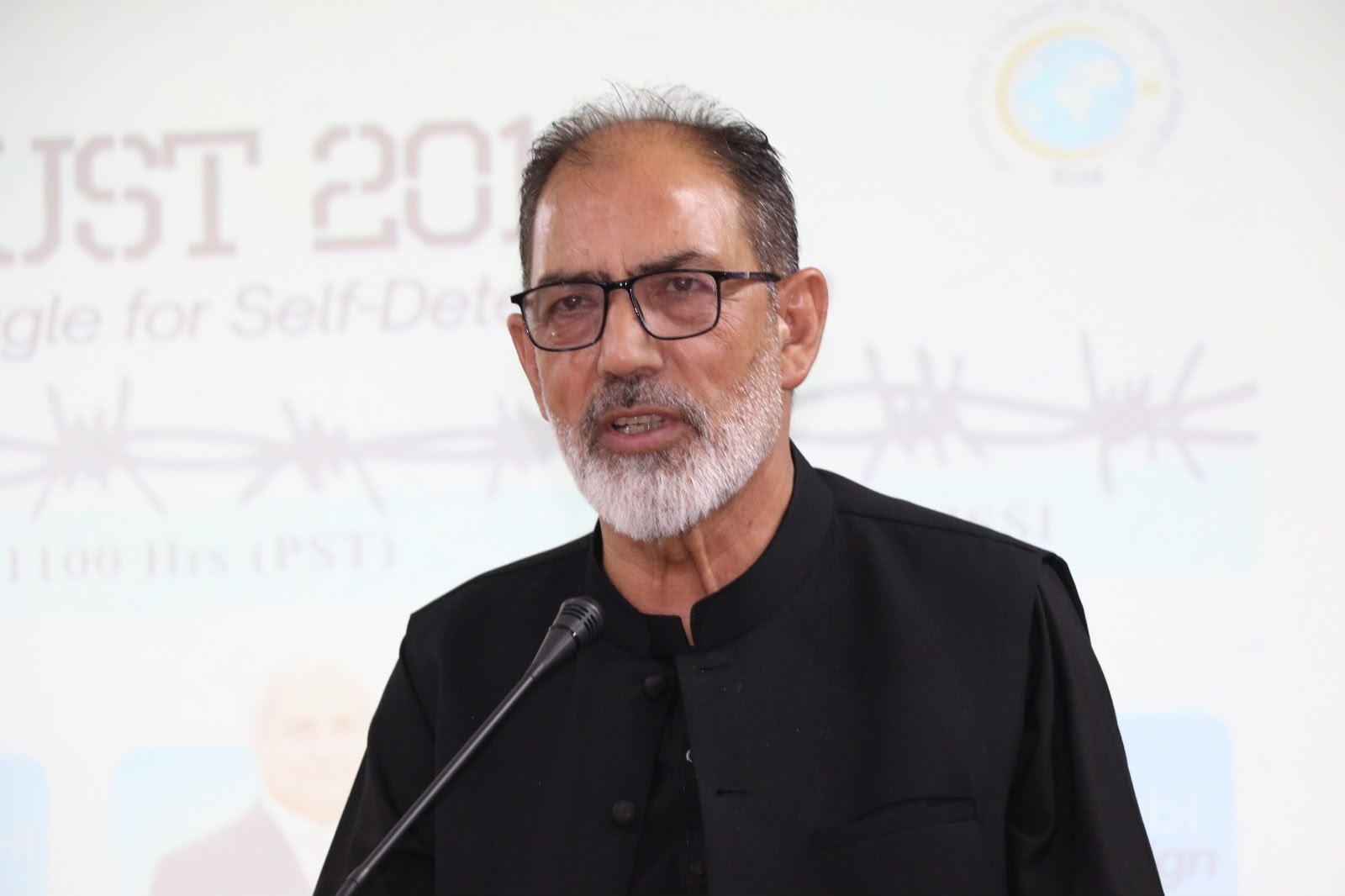
Altaf Hussain Wani is the Chairman of the Kashmir Institute of International Relations (KIIR), specializing in the analysis of Kashmir politics, policy, and international advocacy. He can be reached on X at @sultan1913 or via email at saleeemwani@hotmail.com.