
Zeshan Nawaz
In the early 20th-century, the most celebrated British military strategist, Sir Basil Liddell Hart came with the notion of an “indirect approach” during military Operations. His literatures on maritime security and strategy promoted as “British Way in warfare” for military Bras and strategists around the world. He advocated that, states should use naval power to exploit the freedom of movement, surprise its enemies and put an economic pressure by blocking the trade routes, rather than engaging in direct traditional land battles. He also argues that instead of sending millions of soldiers to fight direct battles, Militaries should focus on conducting raids, controlling Coastal lines and pressuring on the chocking points. In the middle of 20th century, many military thinkers, such as Michael Howard criticized Basil H. Liddell Hart’s way of thinking because of the nature of European wars. He argued that these strategies were only for maritime security and could not achieve decisive victory in the European theater of war against mighty land powers.
In the realm of 21st century, the concept and nature of war had been changed but still Liddell Hart’s military thoughts are admissible and fit in the contemporary Geo-political environment. He saw maritime security as a potential weapon to paralyze the opponent through strategic tactic, economic punishment, and creating a “limited liability” for the fighting state. In the ongoing war between Iran and the US, Iran is practicing the core principle of the Liddell Hart military strategy by using the Strait of Hormuz as a Trump card.
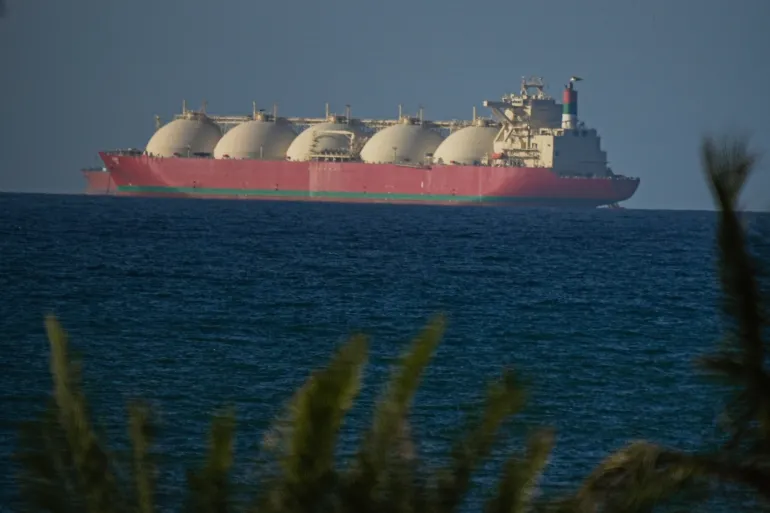
The Strait of Hormuz is one of the most important oil passageways of the world, that create a chokepoint between the Arabian Gulf and the Gulf of Oman, that connects Gulf States to the Arabian Sea and rest of the world. There are almost 20 %( estimated to be 17.2 million barrels per day) of global Oil and one-third of the world’s liquid natural gas passes through that chokepoint. After the Islamic revolution in 1979, the U.S and the western democracies have been pushing Iran toward the wall by sanctioning and putting Tariffs on the Iranian products. Iran has been suffering economically for decades and selling weapons and oil in black market to sustain its regime. In early 2012, for the first time, Iran threatened to interrupt the Strait of Hormuz against the U.S and European sanctions over its Oil trade. In the recent Conflict with U.S and Israel, Iran has shown to the world, how the world economy can crumble in days. According to the US Energy Information Administration (EIA), that is $600bn worth of energy trade per year from the Strait of Hormuz. The shipping lanes in the Strait of Hormuz are governed by international maritime law and the United Nation Conversation on the law of the sea (UNCLOS). Iran as a regional power with a powerful naval force has capability to control over Strait of Hormuz to disrupt world energy supplies. It also hurts the US allies in the Middle East. Most of the Gulf states directly depend on the oil money, if Iran decides to hold Strait of Hormuz in the time of crisis, as it did in the latest confrontation with the US and Israel, Iran can easily break the backbone of the Gulf states economy.
In the last 28 days, U.S has been trying to open the Strait of Hormuz by using kinetic means but failed to achieve its political and economic objects, but Iran still has the upper hand in many ways, in that part of the world, its unconventional warfare methods, cheap drone and sea mines make it harder for U.S to defend or escort oil ships for save passage. Iran is also using Strait of Hormuz for economic activity, as per Lloyd’s List Intelligence report, on 23 March Iran has charged large sums from Oil companies for secure passage. Some reports indicate that, Iran de-facto toll booth regime charged transit fees in Yuan to demean the dollar in the international Market. In the peace deal between Iran US, Strait of Hormuz is the only potential weapon that can change outcome for Iran on the negotiation table. In recent times, Iran is the only country that successfully practices the concept of Brinkmanship against the US and pushes Washington to alter its decision making process. The concept of Brinkmanship is the product of the post nuclear world, and it works only between two relatively strong or Nuclear powers. But Iran has used the Strait of Hormuz as a Nuclear weapon to deter US hegemony in the Middle East. The talks between Iran and the United States are happening in Islamabad and Iran will use the blockage Strait of Hormuz as a bargain chip to achieve its political and economic objects in the region. If the outcome of these negotiations end on a long lasting Peace Deal, and Iran becomes a part of International Economic institutions, it will open new economic demission for the region and beyond. But it seems utopian to many of us!